Resources
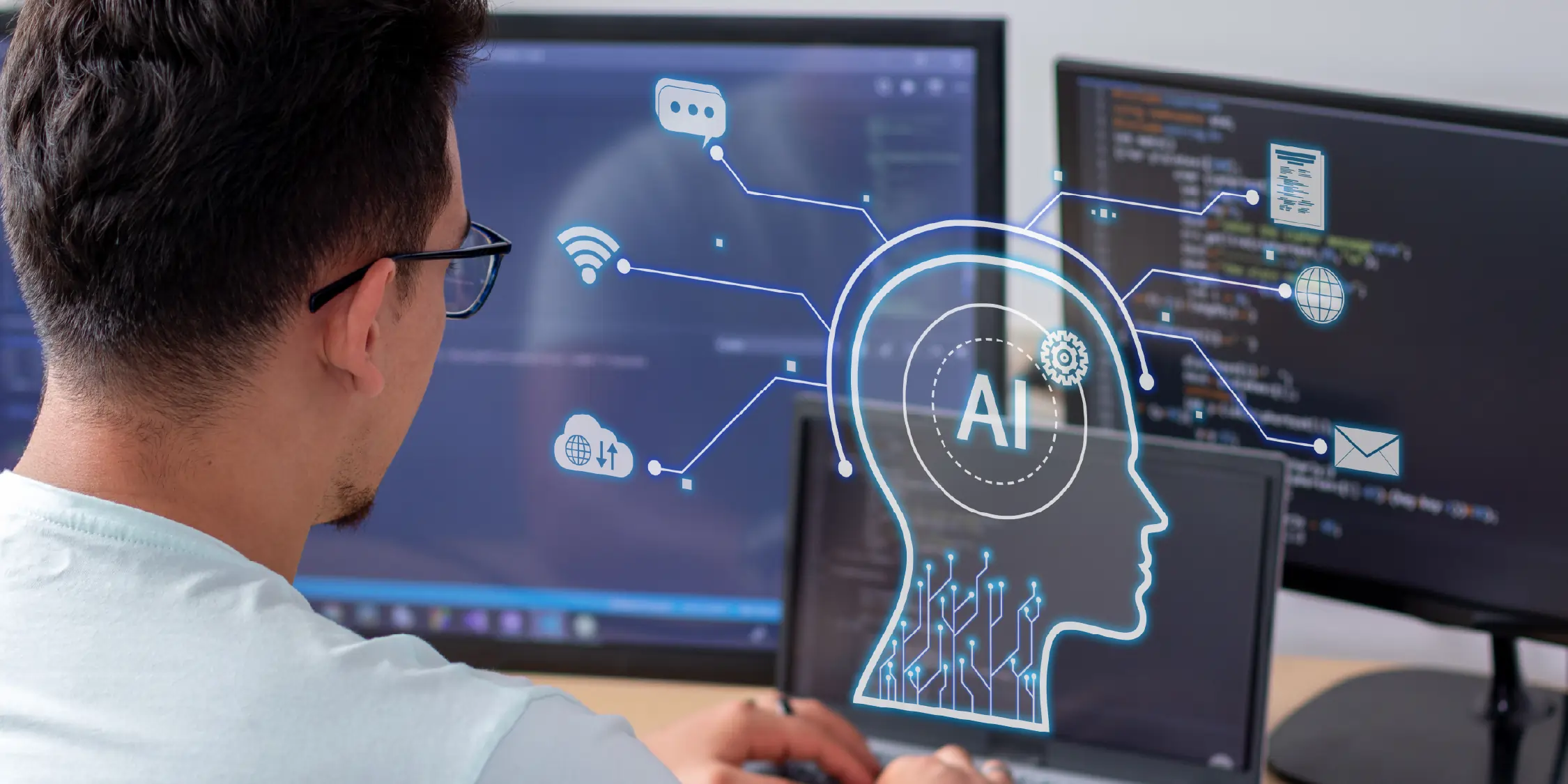
As businesses adopt cloud services, remote work, and advanced cybersecurity solutions, IT environments are becoming increasingly complex. This complexity has led to higher support ticket volumes, placing significant pressure on managed service providers (MSPs) to maintain service quality and efficiency. At the same time, customers expect fast, reliable, and 24/7 technical support. Traditional service desk models often struggle to meet these demands while controlling operational costs. To address these challenges, MSPs are increasingly adopting Artificial Intelligence (AI) powered help desk automation. AI can automate ticket classification, routing, and resolution of common issues, reduce response times and improve technician productivity. It also enables round-the-clock support and helps organizations scale without proportionally increasing staffing levels. As AI technologies advance, they are transforming managed IT services from a reactive approach to one that is proactive and intelligent. Companies that integrate AI-powered help desk automation are better equipped to satisfy rising customer expectations, enhance service quality, and stay competitive in an ever-evolving digital world.
How AI Is Transforming IT Help Desk Operations
AI-powered help desk automation uses AI technologies such as machine learning, natural language processing (NLP), and automation workflows to streamline IT support operations. It can automatically classify tickets, answer common user questions, route requests to the appropriate technician, and resolve routine issues without human intervention. This helps reduce manual effort, improve response times, and enhance the overall support experience. In managed IT environments, AI-powered automation helps MSPs handle large volumes of support requests while maintaining service quality and meeting Service Level Agreement (SLA) requirements. AI can automatically triage, prioritize, and route tickets, provide instant support through virtual assistants, and resolve repetitive issues such as password resets and access requests. By reducing the workload on service desk teams, MSPs can improve efficiency, deliver faster resolutions, provide 24/7 support, and focus their technicians on more complex customer issues.
Why Traditional IT Support Models Are Struggling to Scale
As IT environments become more complex, traditional support models are finding it increasingly difficult to keep pace with business demands. Managed Service Providers (MSPs) now face the challenge of helping a greater number of users and managing an expanding array of devices, applications, and cloud services. They often tackle these demands with fewer resources, which can stretch their capabilities to the limit.
• Rising Ticket VolumesDigital transformation initiatives, remote work, and growing technology adoption have significantly increased the number of support requests. Manual ticket handling creates bottlenecks, leading to slower response times and growing backlogs.
• Hybrid Work ChallengesToday's workforce operates across offices, homes, and remote locations. Supporting users across multiple environments requires constant availability and faster issue resolution, placing additional pressure on service desk teams.
• Multi-Cloud ComplexityOrganizations increasingly rely on a mix of cloud platforms, SaaS applications, and on-premises infrastructure. This interconnected setup presents unique challenges for IT support teams when it comes to resolving issues efficiently across these diverse environments.
• Resource ShortagesMany MSPs face staffing shortages and budget constraints while demand for IT services continues to grow. Hiring additional technicians is often costly and difficult, making scalability a major challenge.
• User Expectation GapModern users expect instant responses, self-service options, and 24/7 support. Traditional support models that rely heavily on manual processes struggle to consistently meet these expectations while maintaining SLA performance. As a result, MSPs are turning to AI-powered help desk automation to improve efficiency, reduce operational burdens, and deliver faster, more scalable support services.
How AI-Powered Help Desk Automation Works
AI-powered help desk automation uses artificial intelligence to streamline and automate IT support processes, reducing manual effort and improving service efficiency.
• Auto Ticket ClassificationAI automatically analyzes incoming requests and categorizes them based on issue type, priority, and urgency.
• Smart Ticket RoutingSupport tickets are assigned to the most appropriate technician or team, helping reduce resolution times and improve SLA compliance.
• AI AssistantsChatbots and virtual assistants provide instant responses, resolve common issues, and offer 24/7 support.
• Knowledge Base AutomationAI recommends relevant articles and solutions, helping users and technicians quickly find answers.
• Early Issue DetectionBy analyzing historical data and system trends, AI can identify potential issues before they impact users, enabling proactive support.
Key Benefits of AI-Powered Help Desk Automation
• Faster Incident ResolutionAI accelerates ticket handling by automating triage, troubleshooting, and routing, enabling issues to be resolved more quickly and minimizing business disruptions.
• Improved SLA PerformanceAutomated prioritization and intelligent workflows help ensure critical tickets are addressed promptly, improving compliance with service level agreements (SLAs).
• 24/7 IT Support AvailabilityAI-powered virtual agents provide continuous support, allowing users to receive assistance anytime without waiting for technician availability.
• Better Resource UtilizationTechnicians spend less time on routine requests and more time addressing complex issues, strategic initiatives, and customer-focused activities.
• Scalable Support OperationsAs ticket volumes grow, AI enables MSPs to expand support capabilities without proportionally increasing staffing levels, making growth more sustainable.
Best Practices for Implementing AI in Managed IT Support
Start with high-volume requests: Automate repetitive tickets like password resets and access issues first for quick impact. Build a centralized knowledge base: Keep documentation structured and up to date to improve AI accuracy. Keep humans in the loop: Escalate complex or low-confidence cases to technicians and use feedback to improve AI. Monitor performance metrics: Track resolution time, ticket deflection, and escalation rates. Align with service goals: Ensure AI supports SLAs/Service Level Objectives (SLOs) and improves overall service delivery.
Bringing AI and Human Expertise Together
AI should be viewed as a support amplifier rather than a replacement strategy. In managed IT environments, it takes over repetitive and time-consuming tasks such as ticket categorization, password resets, and basic troubleshooting, so human technicians can focus on complex incidents, system improvements, and strategic initiatives. This shift improves both speed and quality of service. At the same time, AI helps IT teams become more proactive by identifying patterns in recurring issues, predicting potential failures, and recommending preventive actions before users are impacted. This reduces downtime and improves overall system reliability. When organizations combine AI automation with experienced IT professionals, they create a hybrid support model that is more scalable, responsive, and resilient.