Resources
Grain supply chains have struggled with problems like slow processing, disagreements about quality, and missing real-time information. Old-fashioned quality testing methods take a long time, rely on personal opinions, and can be unreliable. This causes problems and disagreements between buyers and sellers. Today, smart grain analyzers that use advanced sensors and artificial intelligence are transforming how we collect, examine, and respond to grain quality information. These tools help make quick decisions in the supply chain based on quality measurements. These technologies provide quick and unbiased evaluations along with digital quality records. This makes the buying process smoother, increases openness, and helps with better grading and marketing throughout the whole supply chain.
Understanding Smart Grain Analyzers: How Hardware Meets AI
Smart grain analyzers are tools that use advanced technology and artificial intelligence to quickly and accurately assess the quality of grains right on the spot. These systems use clear images and built-in AI technology to check the quality of grains, like their cleanliness, size, and any flaws, right away. This process removes the guesswork and waiting time that comes with checking manually. Created for managing logistics, storage, and trade, they offer quick, data-based insights that assist people involved in the supply chain in making faster and more certain decisions.
RealTime Visibility: Transforming Supply Chains from Reactive to Proactive
Standard grain quality testing usually depends on lab results, which can take hours or even days. This causes delays that slow down logistics and decision-making. These delays can cause problems with storage and slow down how quickly products move in the market. At the same time, uneven grading can create arguments between buyers and sellers. Real-time grain quality data helps overcome these challenges by providing quick and clear information. This information allows people to make faster decisions about pricing, storage, and transportation. When supply chains have the latest quality information, they work better, are clearer, and can react more quickly. This helps everyone involved to move products more quickly and with more confidence.
Smarter Grain Operations: AI’s Impact on Supply Chain Efficiency
AI grain analyzers enhance the efficiency of the supply chain. These advanced tools use artificial intelligence to quickly and accurately assess the quality of grains. By providing real-time data on grain quality, they help farmers and suppliers make better decisions. This leads to faster processing, reduced waste, and improved profits. Overall, AI grain analyzers streamline operations, making the supply chain smoother and more effective.
AI-powered grain analyzers improve the grain supply chain by transforming quality information into quicker and smarter choices. They help make faster yes or no decisions when people first arrive, which reduces lab wait times and makes the process smoother. Using real-time quality data for dynamic routing allows logistics teams to focus on the best shipment routes and where to store items. This enhances the overall process and cuts down on waiting times. These systems offer ongoing, unbiased information, which helps to lower storage and transportation losses. They do this by spotting spoilage risks earlier and improving how we monitor conditions. In the end, this makes the supply chain quicker to respond and reduces waste.
Integrating Smart Hardware and AI Across Grain Operations
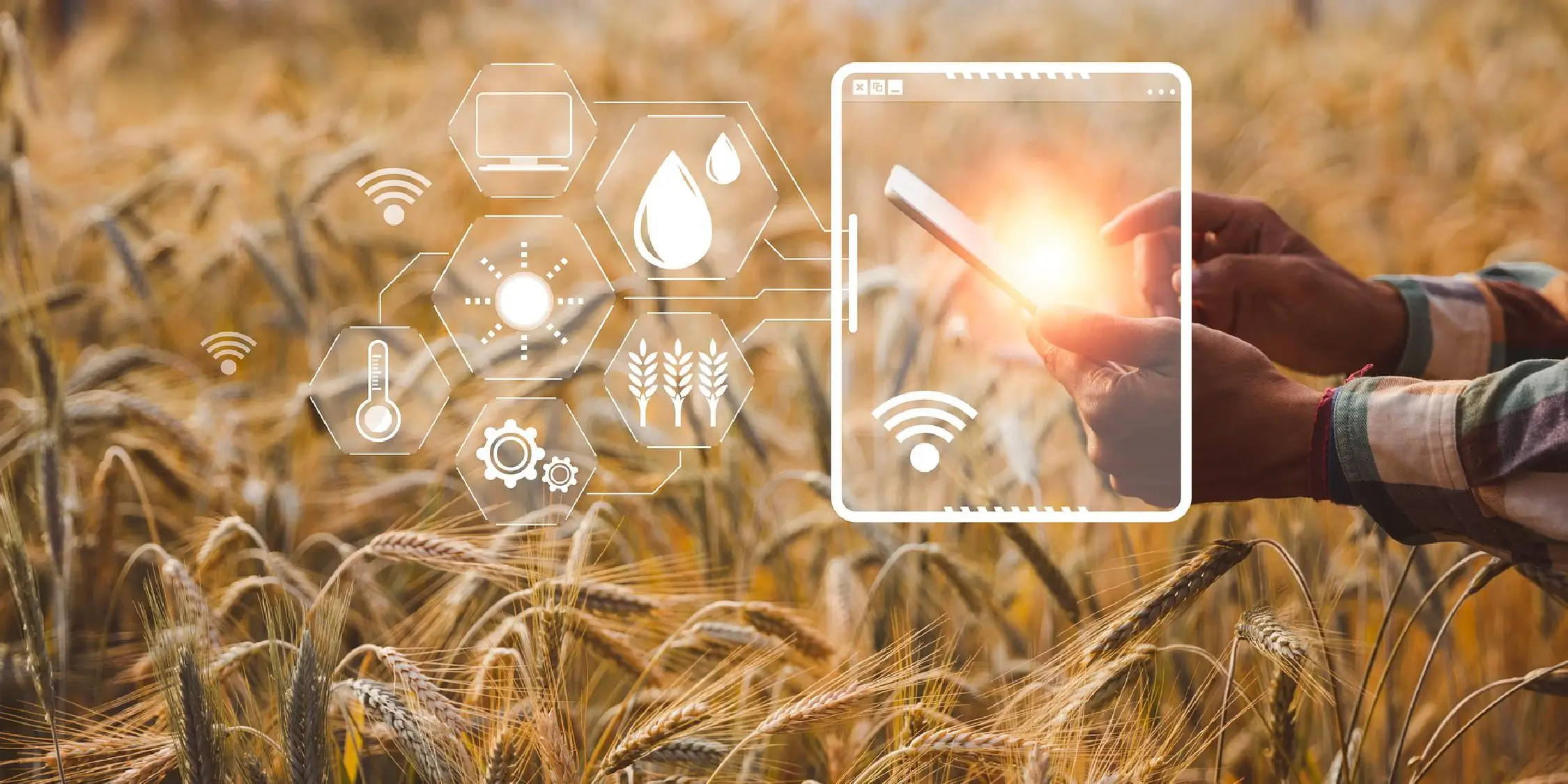
Smart sensors and AI systems are everywhere in agriculture these days, quietly taking on the heavy lifting across the entire grain supply chain. Picture a storage facility: IoT sensors powered by AI are always watching things like moisture, temperature, and signs of spoilage. If something looks off, they send out alerts early, so people can step in and stop losses before they get out of hand. Over at the warehouses and ports, connected devices and smart analytics keep tabs on inventory, handle grading automatically, and check conditions in real time. That means things move faster, and it’s easier to see what’s going on. Processing plants aren’t left out either; AI-driven machines are speeding up inspection, sorting, and quality checks, so there’s less manual work and everything stays consistent. When you put all this hardware and AI together, you get more than just numbers on a screen. You get data that actually drives action, making the whole process from storage all the way to delivery more efficient and resilient.
Smart Grain Analyzers as a Data Source for Enterprise Platforms
Smart grain analyzers do more than produce quality scores at the point of testing; they generate real time data that becomes highly valuable when connected to enterprise analytics systems. Forget scattered spreadsheets and random lab reports. Now, quality measurements flow right into a single platform, where you can blend them with logistics, inventory, and operational data. This creates a true data driven grain supply chain, where information flows freely, and decision making is based on up-to-the-minute insights.
Platforms like Databricks are designed to ingest and harmonize these data streams, combining sensor inputs with broader enterprise data so teams can build richer datasets and run largescale analytics. By unifying quality and logistics information, businesses can support AI-powered grain inventory management, improve forecasting, and even predict risks like storage spoilage before they occur. With this setup, supply chain teams aren’t just looking at what happened yesterday. They’re using predictive insights to make smarter calls today and plan with real confidence for what’s next
Use Cases in AgriTech Operations
AI is changing the way agricultural supply chains work. You see it everywhere now, especially in grain handling and logistics. Take export quality checks, for example. Smart analyzers and AI models scan grain automatically, making sure it hits international standards. That means fewer arguments and quicker export approvals. Then there’s storage. Sensors and machine learning keep an eye on things like temperature and humidity in real time, stopping spoilage before it starts and saving inventory across warehouses and silos. And when it comes to inventory, AI-driven grain handling systems take over. They track stock, forecast demand, and help move the right amount at the right time so you get less waste and fewer delays.
Where Grain Tech Is Heading Next
Smart grain analyzers are changing the game for agriculture. They go way beyond just scanning grain; they pack powerful hardware and AI together to give you real-time, reliable data. So, you get fewer disputes, quicker calls, and everything just runs smoother, from storage right through to export. Farming is getting more data-driven every day.
We team up with AgriTech groups to connect smart grain analyzers with scalable AI platforms like Databricks. That way, all those raw signals from your hardware turn into insights you can use. Let’s help you unlock live data, skip the headaches, and build a supply chain that reacts fast and keeps you a step ahead.